In the quest for flawless and healthy skin, one product stands out as an undeniable hero: sunscreen lotion for your face. More than just a summer essential, it’s a non-negotiable step in any effective skincare regimen, a daily shield against the relentless environmental aggressors that threaten your skin’s vitality. But with countless options lining the shelves, finding the best sunscreen lotion for your face can feel overwhelming. This comprehensive guide is designed to cut through the confusion, helping you confidently choose, use, and benefit from the ultimate skin protector.
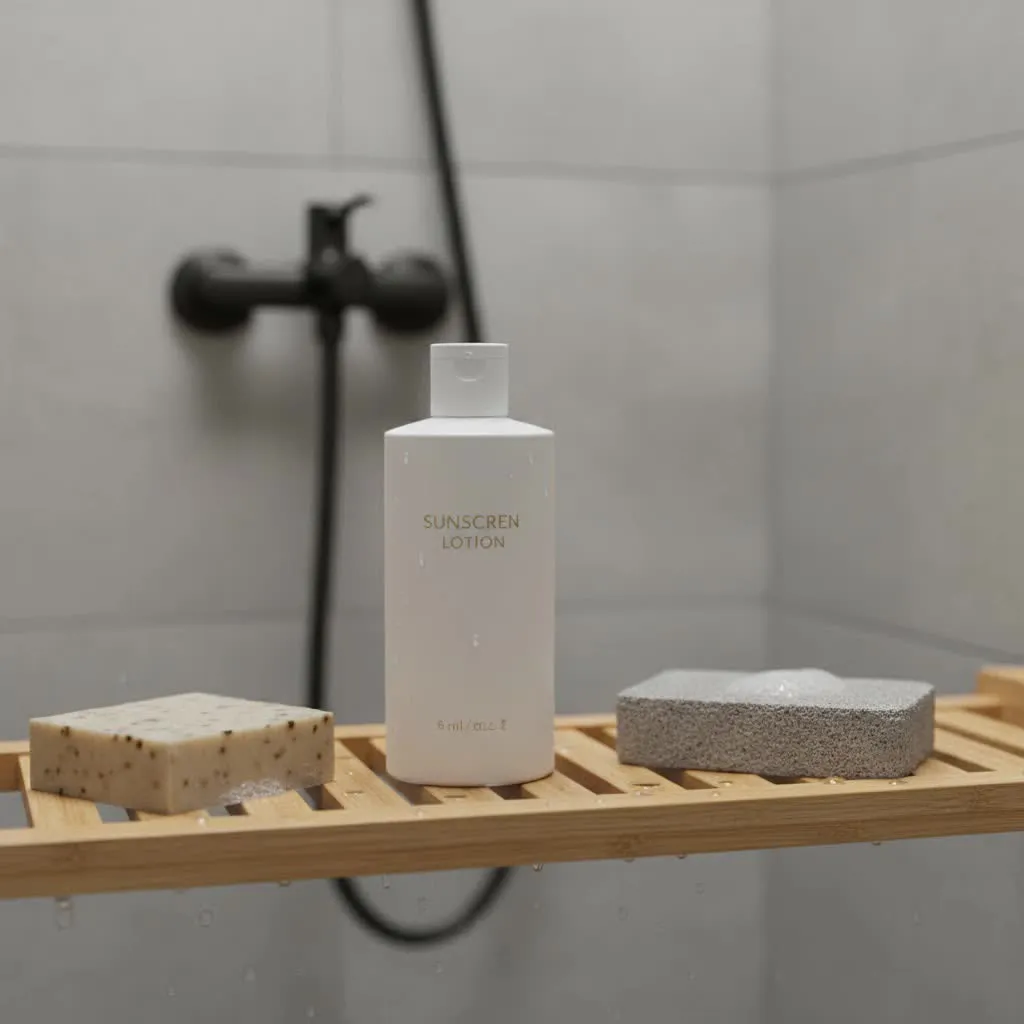
Why Sunscreen Lotion is Important for Your Face?
Our faces are constantly exposed, bearing the brunt of daily environmental assaults, especially from the sun’s ultraviolet (UV) radiation. These invisible rays, specifically UVA and UVB, are silent saboteurs, responsible for far more than just a sunburn. UVA rays penetrate deep into the skin, accelerating premature aging, leading to fine lines, wrinkles, and sagging, while also causing hyperpigmentation like sunspots and melasma. UVB rays are the primary culprits behind sunburns and significantly increase the risk of skin cancer. Daily application of sunscreen lotion for your face is not merely a cosmetic choice but a crucial health imperative, protecting your delicate facial skin from these pervasive and damaging effects, maintaining its youthful appearance and long-term health.
Common Types of Sunscreen Lotions
Understanding the different types of sunscreen lotions available is the first step in making an informed choice for your facial protection. Each type offers distinct benefits and characteristics.
Physical (Mineral) Sunscreen
Often hailed as the gentler option, physical sunscreens work by creating a protective barrier on the skin’s surface. They contain active mineral ingredients that literally sit on your skin and deflect UV rays away from the skin like tiny mirrors.
- Pros:
- Safe for Sensitive Skin: Generally well-tolerated by sensitive, acne-prone, and reactive skin types due to minimal absorption into the skin.
- Broad-Spectrum Protection: Provides excellent protection against both UVA and UVB rays.
- Immediate Protection: Works immediately upon application, no waiting time required for absorption.
- Photostable: Tends to be more stable when exposed to sunlight, meaning its protective properties last longer.
- Cons:
- White Cast: Can sometimes leave a noticeable white or grayish tint on the skin, especially on darker complexions. However, many modern formulas are now tinted or micronized to reduce this effect.
- Thicker Texture: Can feel slightly thicker or heavier on the skin compared to chemical formulations.
- Harder to Rub In: Requires thorough blending to ensure an even, invisible finish.
- Key Ingredients: The primary active ingredients are Zinc Oxide and Titanium Dioxide.
|
Our Picks for the Best Sunscreen Lotion in 2026
As an Amazon Associate I earn from qualifying purchases.
|
||
| Num | Product | Action |
|---|---|---|
| 1 | Hawaiian Tropic Sheer Touch Lotion Sunscreen SPF 50, 8oz Twin Pack - Hawaiian Tropic Sunscreen SPF 50, Sunblock, Broad Spectrum, Oxybenzone Free, 8oz each |

|
| 2 | Aveeno Protect + Hydrate Sunscreen Moisturizing Lotion with Prebiotic Oat, Broad Spectrum SPF60, Paraben, & Oil Free, Weightless, Water & Sweat Resistant (80-min) for Sensitive Skin, 12 Fl Oz |
|
| 3 | Neutrogena Sunscreen Lotion Beach Defense SPF 70, Face & Body Sunscreen, Broad Spectrum, Fast Absorbing, 6.7 Fl Oz, Water Resistant 80 Min, Oil-Free, Oxybenzone & Octinoxate Free |
|
| 4 | Banana Boat Sport Ultra SPF 50 Sunscreen Lotion, 8Fl Oz - Sport Sunscreen SPF 50 Lotion, Sunblock, Skin Sun Protection, Water Resistant Sun Care, 8Fl Oz |
|
| 5 | Olay Super Serum - Niacinamide, Vitamin C & E, Collagen Peptide, AHA - 5-in-1 Skin Care Benefits for Face - Healthy Glow, Brightening, Hydrating, Smoothing, Firming, Evens Tone, Anti-Aging, 1.0 Oz |
|
| 6 | Banana Boat Sport Ultra SPF 50 Sunscreen Lotion, 12oz - Banana Boat Sunscreen SPF 50 Lotion, Oxybenzone-Free, Sunblock, Family Size, 12oz (Pack of 1) |
|
| 7 | Coppertone Sport Sunscreen Lotion, Broad Spectrum SPF 50 Sunscreen Multi Pack, 7 Fl Oz, Pack of 2 |
|
| 8 | Olay Super Cream with Sunscreen SPF 30, Lightweight Face Moisturizer with Sun Protection, 5-in-1 Skin Care Benefits - Hydrating, Brightening, Firming - Niacinamide, Vitamin C, Collagen Peptide, 1.7 oz |
|
| 9 | Olay Super Cream with Sunscreen SPF 30, Fragrance Free Lightweight Face Moisturizer with Sun Protection, 5-in-1 Skin Care - Hydrating, Brightening, Firming - Niacinamide, Vitamin C, Collagen, 1.7 oz |
|
| 10 | Sun Bum Original SPF 50 Sunscreen Body Lotion - Broad Spectrum Moisturizing Sunscreen with Vitamin E - Hawaii 104 Act Compliant (Made without Octinoxate & Oxybenzone) - 8 oz |
|
Chemical Sunscreen
Chemical sunscreens work differently by absorbing UV radiation as it penetrates the skin, converting it into heat, and then releasing that heat from the skin.
- Pros:
- Easy to Blend: Typically lighter in texture, making them easier to spread and absorb into the skin without leaving a white cast.
- Invisible Finish: Often preferred for their clear, non-greasy finish, making them ideal for layering under makeup.
- Cosmetically Elegant: Many modern formulations offer a pleasant user experience.
- Cons:
- Potential for Irritation: Some chemical filters can cause irritation or allergic reactions in individuals with very sensitive skin.
- Absorption Time: Requires about 15-20 minutes to absorb into the skin and become fully effective before sun exposure.
- Photostability: Some chemical filters can degrade faster in sunlight, potentially requiring more frequent reapplication.
- Key Ingredients: Common active ingredients include Avobenzone, Octinoxate, Oxybenzone, Octisalate, and Homosalate.
Hybrid Sunscreen
Hybrid sunscreens combine the best of both worlds, incorporating both mineral and chemical filters. These formulations aim to deliver the broad-spectrum protection and gentleness of mineral sunscreens with the lightweight, invisible finish of chemical sunscreens. They offer a balanced approach, often suitable for a wider range of skin types and preferences.
Comparison Table of Sunscreen Lotions
| Feature | Physical (Mineral) Sunscreen | Chemical Sunscreen | Hybrid Sunscreen |
|---|---|---|---|
| Main Ingredients | Zinc oxide, Titanium dioxide | Avobenzone, Octinoxate, Oxybenzone, etc. | Combination of both |
| How it Works | Sits on skin, reflects UV rays | Absorbs UV rays, converts to heat | Reflects and absorbs UV rays |
| Key Advantages | Gentle for sensitive skin, immediate protection, photostable | Easy to blend, no white cast, lightweight | Balances advantages of both types |
| Potential Drawbacks | Can leave white cast, thicker texture | Potential for irritation, needs absorption time | May cause mild irritation in very sensitive skin |
| Best For | Sensitive skin, children, post-procedure skin | Normal, oily skin, active individuals | Most skin types seeking balanced benefits |
Guide to Choosing the Right Sunscreen Lotion for Your Face
Selecting the best sunscreen lotion for your face goes beyond just picking up the first bottle you see. It requires considering several factors, including sun protection levels, your skin type, and your daily activities.
SPF and PA Ratings
These two acronyms are crucial indicators of a sunscreen’s protective capabilities.
- SPF (Sun Protection Factor): Measures a sunscreen’s ability to protect against UVB rays, which are the primary cause of sunburn and contribute to skin cancer. For daily facial use, an SPF of 30 or higher is generally recommended. SPF 30 blocks about 97% of UVB rays, while SPF 50 blocks about 98%. The difference in protection is minimal beyond SPF 30, but higher SPF can be beneficial for extended sun exposure.
- PA (Protection Grade of UVA): Indicates the level of protection against UVA rays, which are responsible for premature aging and hyperpigmentation. The PA system uses plus signs:
- PA+++: Good UVA protection.
- PA++++: Excellent UVA protection.
Always aim for a broad-spectrum sunscreen, meaning it protects against both UVA and UVB rays, and ideally one with a PA+++ or PA++++ rating for comprehensive facial protection.
Your Skin Type
Tailoring your sunscreen choice to your specific skin type is essential for comfort and effectiveness.
- Oily or Acne-Prone Skin: Look for products labeled “oil-free,” “non-comedogenic” (meaning it won’t clog pores), or “matte finish.” Lightweight fluids, gels, or mineral sunscreens containing zinc oxide can be excellent choices. Ingredients like niacinamide can also be beneficial for soothing inflammation.
- Dry Skin: Opt for sunscreens that include hydrating ingredients such as hyaluronic acid, ceramides, or glycerin. Creamier textures or those with a “dewy” finish will help keep your skin moisturized throughout the day.
- Sensitive Skin: Mineral sunscreens (zinc oxide, titanium dioxide) are usually the safest bet as they are less likely to cause irritation. Choose formulas that are fragrance-free, alcohol-free, and paraben-free. Patch-testing new products is always a good idea.
- Normal or Combination Skin: You have more flexibility! You can often enjoy a wider range of formulas, from lightweight lotions to moisturizing creams. Experiment to find what feels best and provides the desired finish.
Outdoor Activities
If you plan on swimming, exercising vigorously, or spending extended periods outdoors, a water-resistant sunscreen is a must. These are designed to maintain their SPF after a certain period of water exposure (e.g., 40 or 80 minutes), but reapplication is still key.
Where to Buy Sunscreen Lotion for Your Face?
Finding the best sunscreen lotion for your face is easier than ever, with numerous reputable channels available.
- Reputable Cosmetic Stores: Stores like Sephora, Ulta Beauty, or local high-end beauty retailers often carry a wide range of brands, including luxury and dermatologist-recommended options. Sales associates can also provide personalized recommendations.
- Large Online Retailers: Websites like Amazon, Dermstore, Skinstore, and directly from brand websites offer convenience and a vast selection, often with customer reviews that can guide your choice. Be sure to purchase from authorized sellers to avoid counterfeit products.
- Pharmacies and Drugstores: Local pharmacies such as CVS, Walgreens, or Rite Aid, as well as major retailers like Target and Walmart, stock a variety of affordable and effective drugstore sunscreens, many of which are highly recommended by dermatologists.
Top Sunscreen Lotions for Your Face
Based on expert recommendations and user popularity, here are some of the top sunscreen lotions for your face that consistently receive high marks for their efficacy and formulation.
- EltaMD UV Clear Broad-Spectrum SPF 46: A cult favorite for good reason, especially for acne-prone and sensitive skin. This lightweight, oil-free formula contains niacinamide to calm skin and reduce redness. It’s a hybrid sunscreen that blends seamlessly.
- La Roche-Posay Anthelios Melt-in Milk Sunscreen SPF 60: Known for its luxurious, melt-into-skin texture and high SPF, this chemical sunscreen provides broad-spectrum protection without feeling heavy or leaving a white cast. They also offer excellent mineral tinted fluid options.
- Supergoop! Unseen Sunscreen SPF 40: This chemical sunscreen is completely clear, weightless, and acts as a fantastic primer under makeup. Its unique gel texture makes it disappear on all skin tones, offering broad-spectrum protection.
- ISDIN Eryfotona Actinica Zinc Oxide Broad Spectrum SPF 50+: A premium mineral sunscreen that not only protects but also contains DNA repair enzymes to help address past sun damage. It has a light, milky texture that applies smoothly.
- Eucerin Sun Sensitive Mineral Sunscreen Lotion SPF 50: An affordable yet effective mineral option, particularly praised by dermatologists for its ability to rub in nicely without a significant white cast, even on darker skin tones. Ideal for sensitive skin.
- Vanicream Facial Moisturizer SPF 30: A minimalist mineral sunscreen and moisturizer combo for extremely sensitive and dry skin. It’s free from common irritants and provides gentle, effective protection.
- Beauty of Joseon Relief Sun: Rice + Probiotics SPF 50+ PA++++: A popular K-beauty chemical sunscreen lauded for its incredibly lightweight, hydrating formula that feels like a moisturizer and leaves no white cast. Ideal for daily use.
How to Use Sunscreen Lotion Correctly
Even the best sunscreen lotion for your face won’t work effectively if not applied correctly. Proper application is key to maximizing its protective benefits.
- Apply Generously: The most common mistake is not using enough sunscreen. For your face, aim for about a nickel-sized amount or use the “two-finger rule” (a line of sunscreen on your index and middle finger).
- Timing is Key: Apply sunscreen lotion at least 20-30 minutes before sun exposure. This allows chemical sunscreens to fully absorb and form a protective barrier, while mineral sunscreens begin working immediately.
- Don’t Forget Key Areas: Extend your application to often-forgotten areas like your ears, neck, décolletage, and the back of your hands. These areas are just as susceptible to sun damage.
- Reapply Regularly: Sunscreen’s effectiveness diminishes over time. Reapply every two hours, or more frequently after swimming, excessive sweating, or towel drying. This is crucial for continuous protection, especially during extended outdoor activities.
- Layer Smart: Apply sunscreen as the last step in your skincare routine, after serums and moisturizers, but before makeup. This ensures it forms the outermost protective layer on your skin.
Common Mistakes When Using Sunscreen Lotion
Even with the best intentions, several common pitfalls can compromise your sun protection.
- Applying Too Little: As mentioned, under-applying is a widespread issue. Using less than the recommended amount significantly reduces the SPF and PA protection you receive.
- Not Reapplying Frequently Enough: Relying on a single application for an entire day, especially during prolonged sun exposure, leaves your skin vulnerable. Set a reminder to reapply every two hours.
- Only Using Sunscreen When it’s Sunny: UV rays can penetrate clouds. Even on overcast days, up to 80% of UV radiation can reach your skin. Indoor exposure near windows can also be problematic. Make sunscreen a daily habit, regardless of the weather.
- Forgetting Sunscreen in Winter: While the sun’s intensity might decrease in winter, harmful UV rays are still present. Snow can also reflect UV radiation, intensifying exposure. Consistent year-round use is vital.
“Sunscreen is not just a summer accessory; it’s the most impactful anti-aging and anti-cancer product you can use daily.” – Dr. Elena Petrova, Board-Certified Dermatologist
Conclusion
Choosing the best sunscreen lotion for your face is a cornerstone of a healthy and effective skincare routine. It’s your daily defense against premature aging, hyperpigmentation, and the crucial protection against skin cancer. By understanding the different types, selecting the right SPF and PA, considering your skin type, and mastering proper application techniques, you empower yourself to safeguard your skin’s health and radiance for years to come. Make this vital step a non-negotiable part of your daily ritual, and your skin will thank you.
What’s your biggest challenge when it comes to finding the perfect facial sunscreen?
Frequently Asked Questions
What’s the difference between face and body sunscreen?
While both protect from UV rays, facial sunscreens are often formulated with non-comedogenic ingredients to prevent breakouts, lighter textures for comfort, and sometimes added skincare benefits like antioxidants or hydrating agents, making them more suitable for the delicate facial skin. Body sunscreens can be thicker and might contain ingredients less ideal for facial use.
Can I use sunscreen as a moisturizer?
Some sunscreens, particularly those labeled “moisturizing sunscreens” or “SPF moisturizers,” are formulated to provide hydration alongside sun protection, making them suitable as a two-in-one product for certain skin types. However, if you have very dry skin or specific hydration needs, you might still benefit from a separate dedicated moisturizer underneath your sunscreen.
How much sunscreen should I use on my face?
For adequate protection, dermatologists generally recommend using about a nickel-sized dollop for your face alone, or roughly applying a line of sunscreen along the length of your index and middle fingers (the “two-finger rule”). This ensures you’re getting the SPF protection advertised on the bottle.
Is SPF 30 enough for daily face protection?
Yes, SPF 30 is sufficient for most daily activities, blocking approximately 97% of UVB rays. For extended outdoor activities, intense sun exposure, or individuals with a history of skin cancer, an SPF 50 (which blocks about 98% of UVB) or higher may offer an extra margin of safety. Always ensure it’s broad-spectrum (UVA and UVB).
Should I wear sunscreen indoors?
Yes, it’s advisable to wear sunscreen indoors, especially if you spend a lot of time near windows. UVA rays, which contribute to aging and skin cancer, can penetrate glass. While UVB rays are largely blocked by windows, consistent indoor UVA exposure can still accumulate and cause damage over time.
