In a world increasingly aware of skincare and wellness, the importance of daily sun protection cannot be overstated. From the gentle glow of dawn to the harsh midday sun, our skin is constantly exposed to environmental aggressors, primarily harmful UV radiation. Integrating a reliable sunscreen into your daily regimen is not just a recommendation; it’s a fundamental pillar of long-term skin health. Natura Sunscreen Lotions offer a range of formulations designed to shield your skin effectively while nourishing it with natural ingredients. This comprehensive guide will delve into why sun protection is crucial, explore the distinct types and benefits of Natura’s offerings, help you choose the ideal product for your needs, and ensure you’re applying it correctly for optimal defense.
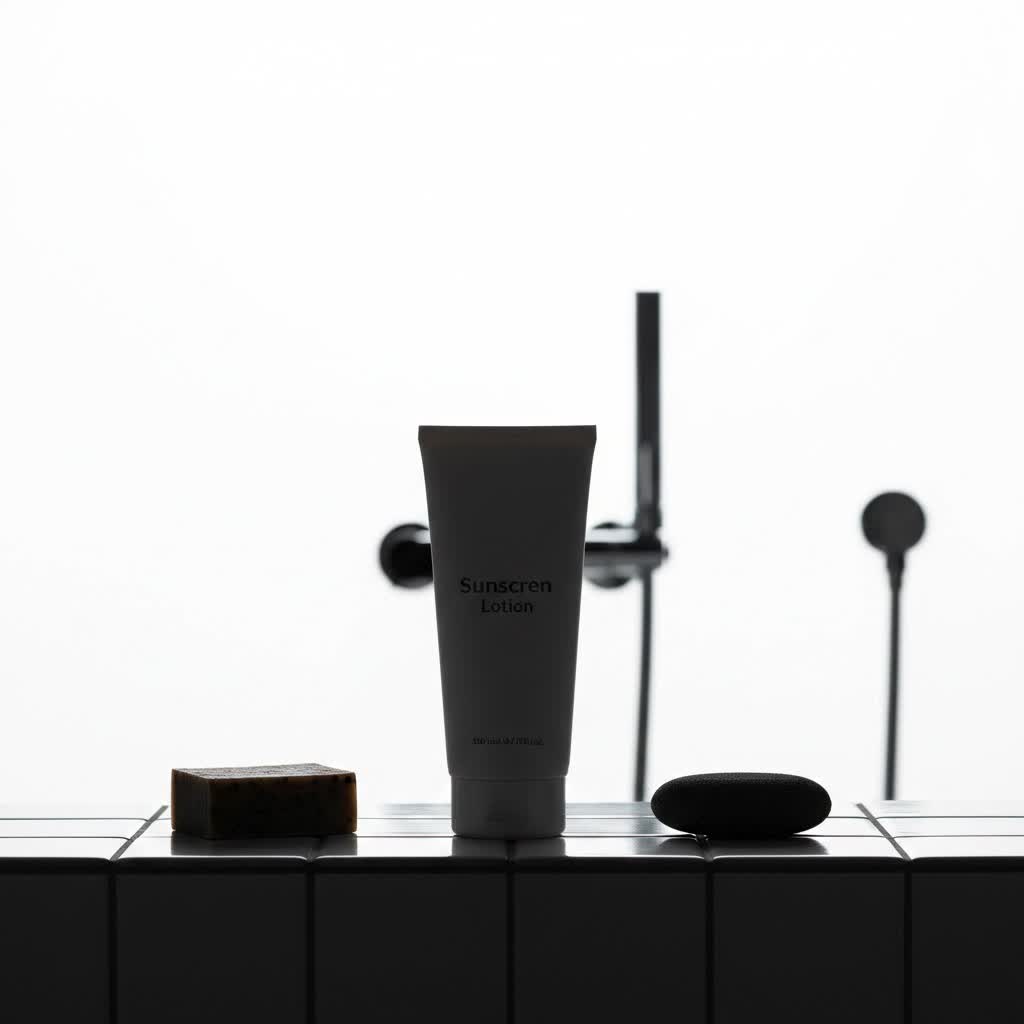
Why Sunscreen Lotion Matters: Understanding UV Threats
The sun, while essential for life, emits ultraviolet (UV) radiation that can severely damage skin cells. There are two primary types of UV rays that impact your skin: UVA and UVB. UVA rays penetrate deep into the skin, contributing to premature aging, such as wrinkles, fine lines, and dark spots (hyperpigmentation). UVB rays are primarily responsible for sunburn and play a significant role in the development of skin cancers. Both types of rays can lead to DNA damage within skin cells.
Daily application of sunscreen is your first line of defense against these invisible threats. Regular use helps prevent photoaging, reduces the risk of various skin cancers, and maintains an even, healthy skin tone. Without consistent protection, skin is vulnerable to chronic damage, leading to a compromised skin barrier and accelerated signs of aging.
Exploring Natura Sunscreen Lotions: Types and Formulations
Natura offers sunscreen solutions that cater to different needs and preferences, often leveraging natural ingredients for a gentle yet effective approach. Understanding the distinctions between physical, chemical, and hybrid sunscreens, and how Natura products fit in, is key to making an informed choice.
Natura Sun Screen Lotion SPF 20
|
Our Picks for the Best Sunscreen Lotion in 2026
As an Amazon Associate I earn from qualifying purchases.
|
||
| Num | Product | Action |
|---|---|---|
| 1 | Sun Bum Original SPF 50 Sunscreen Body Lotion - Broad Spectrum Moisturizing Sunscreen with Vitamin E - Hawaii 104 Act Compliant (Made without Octinoxate & Oxybenzone) - 8 oz |

|
| 2 | Hawaiian Tropic Sheer Touch Lotion Sunscreen SPF 50, 8oz Twin Pack - Hawaiian Tropic Sunscreen SPF 50, Sunblock, Broad Spectrum, Oxybenzone Free, 8oz each |
|
| 3 | Banana Boat Sport Ultra SPF 50 Sunscreen Lotion, 12oz - Banana Boat Sunscreen SPF 50 Lotion, Oxybenzone-Free, Sunblock, Family Size, 12oz (Pack of 1) |
|
| 4 | Olay Super Cream with Sunscreen SPF 30, Lightweight Face Moisturizer with Sun Protection, 5-in-1 Skin Care Benefits - Hydrating, Brightening, Firming - Niacinamide, Vitamin C, Collagen Peptide, 1.7 oz |
|
| 5 | Neutrogena Sunscreen Lotion Beach Defense SPF 70, Face & Body Sunscreen, Broad Spectrum, Fast Absorbing, 6.7 Fl Oz, Water Resistant 80 Min, Oil-Free, Oxybenzone & Octinoxate Free |
|
| 6 | Coppertone Sport Sunscreen Lotion, Broad Spectrum SPF 50 Sunscreen Multi Pack, 7 Fl Oz, Pack of 2 |
|
| 7 | Banana Boat Sport Ultra SPF 50 Sunscreen Lotion, 8Fl Oz - Sport Sunscreen SPF 50 Lotion, Sunblock, Skin Sun Protection, Water Resistant Sun Care, 8Fl Oz |
|
| 8 | Olay Super Cream with Sunscreen SPF 30, Fragrance Free Lightweight Face Moisturizer with Sun Protection, 5-in-1 Skin Care - Hydrating, Brightening, Firming - Niacinamide, Vitamin C, Collagen, 1.7 oz |
|
| 9 | Aveeno Protect + Hydrate Sunscreen Moisturizing Lotion with Prebiotic Oat, Broad Spectrum SPF60, Paraben, & Oil Free, Weightless, Water & Sweat Resistant (80-min) for Sensitive Skin, 12 Fl Oz |
|
| 10 | Olay Super Serum - Niacinamide, Vitamin C & E, Collagen Peptide, AHA - 5-in-1 Skin Care Benefits for Face - Healthy Glow, Brightening, Hydrating, Smoothing, Firming, Evens Tone, Anti-Aging, 1.0 Oz |
|
This particular formulation is designed for everyday protection, enriched with the goodness of Aloe Vera and Jojoba oil. It boasts a light-feel, non-greasy texture, making it comfortable for daily wear under makeup or on its own. Positioned as “chemical-free” and cruelty-free, this SPF 20 lotion provides protection against UV rays and is generally suitable for all skin types. Its hydrating properties, courtesy of Aloe Vera and Jojoba oil, leave the skin feeling soft and looking radiant.
Natura Organics Waterproof Sunblock Gel SPF 60
For more intensive protection, especially during extended outdoor activities or water exposure, Natura Organics offers a Waterproof Sunblock Gel with SPF 60. This product relies on physical blockers like Zinc Oxide and Titanium Dioxide, known for creating a protective barrier on the skin’s surface that reflects UV radiation. Beyond its high SPF, this formulation is packed with an extensive list of natural and beneficial ingredients, including Organic Aloe Vera Leaf Juice, Witch Hazel Hydrosol, Hyaluronic Acid, Seaweed Extract, Green Tea Leaf Extract, Sunflower Oil, Jojoba Oil, Carrot Seed Oil, and Avocado Oil, along with various vitamins (A, C, E, F Forte™). These ingredients offer broad-spectrum protection while deeply nourishing and hydrating the skin, making it a robust option for comprehensive defense.
Understanding Sunscreen Types
- Physical (Mineral) Sunscreens: These sunscreens, like the Natura Organics SPF 60, contain active mineral ingredients such as Zinc Oxide and Titanium Dioxide. They work by sitting on the skin’s surface and physically blocking and deflecting UV rays.
- Advantages: Provide immediate broad-spectrum protection, generally considered safe for sensitive skin, and are less likely to cause irritation.
- Disadvantages: Can sometimes leave a visible white cast, particularly on darker skin tones, and may feel thicker or harder to blend.
- Chemical Sunscreens: These sunscreens absorb UV rays through a chemical reaction, converting them into heat which is then released from the skin. Common active ingredients include Avobenzone, Octinoxate, and Oxybenzone.
- Advantages: Typically lighter in texture, easier to blend, and leave no white cast.
- Disadvantages: May require 15-20 minutes to become effective after application, and some individuals with sensitive skin might experience irritation.
- Hybrid Sunscreens: Many modern sunscreens combine both physical and chemical filters to offer broad-spectrum protection with an improved cosmetic feel. While Natura’s SPF 20 is “chemical-free,” the industry broadly uses this term, and some products might contain newer organic (carbon-based) filters that aren’t the traditional “chemical” ones, or it might strictly use physical blockers.
Choosing the Right Natura Sunscreen Lotion for Your Skin
Selecting the perfect sunscreen involves considering several factors, including its Sun Protection Factor (SPF), PA rating (if available), your skin type, and your planned activities.
- SPF and PA Ratings:
- SPF (Sun Protection Factor): Measures how well a sunscreen protects against UVB rays, which cause sunburn. An SPF of 30 blocks approximately 97% of UVB rays, while SPF 50 blocks about 98%. For daily use, SPF 30+ is recommended, while higher SPFs like Natura Organics SPF 60 are excellent for extended exposure.
- PA (Protection Grade of UVA): Indicates the level of protection against UVA rays. It’s often denoted by PA+, PA++, PA+++, or PA++++, with more plus signs indicating higher protection. While the Natura SPF 20 product on some listings does not specify a PA rating, physical blockers found in the SPF 60 inherently provide broad-spectrum (UVA and UVB) protection. Aim for a product with at least PA+++.
- Your Skin Type:
- Oily Skin: Look for formulations that are “oil-free,” “non-comedogenic” (won’t clog pores), and “non-greasy.” The Natura Sun Screen Lotion SPF 20’s “light feel non greasy” description makes it a good candidate.
- Dry Skin: Sunscreens with hydrating ingredients are beneficial. Both Natura options contain moisturizing components like Aloe Vera and Jojoba oil; the SPF 60 also boasts Hyaluronic Acid and various nourishing oils.
- Sensitive Skin: Physical sunscreens (like Natura Organics SPF 60 with Zinc Oxide and Titanium Dioxide) are generally recommended as they are less likely to cause irritation. The “chemical-free” claim of the SPF 20 also points to its suitability for sensitive skin.
- Planned Activities:
- For swimming, intense sweating, or humid conditions, a “water-resistant” or “waterproof” sunscreen is essential. The Natura Organics Waterproof Sunblock Gel SPF 60 is specifically designed for such scenarios. For daily, light activity, the SPF 20 lotion is adequate.
| Feature | Physical Sunscreens (e.g., Natura Organics SPF 60) | Chemical Sunscreens (General) |
|---|---|---|
| Active Ingredients | Zinc Oxide, Titanium Dioxide | Avobenzone, Octinoxate, Oxybenzone, etc. |
| How it Works | Reflects/scatters UV rays | Absorbs UV rays and converts to heat |
| Advantages | Broad-spectrum, good for sensitive skin, immediate protection | Lightweight, no white cast, easier to blend |
| Disadvantages | Can leave white cast, may be thicker | May cause irritation, requires absorption time |
| Skin Type | Sensitive, all skin types | Normal, oily (depending on formulation) |
Key Ingredients in Natura Sunscreen Lotions: Nature’s Defense
Natura Sunscreen Lotions often harness the power of natural extracts and minerals to enhance skin protection and health.
- Aloe Vera: A star ingredient, Aloe Vera is celebrated for its soothing, moisturizing, and anti-inflammatory properties. It can help calm irritated skin, accelerate healing, and provide a light hydration without a greasy feel. Its benefits extend to potentially helping with conditions like acne, eczema, and sunburn.
- Jojoba Oil: This oil closely mimics the skin’s natural sebum, making it an excellent moisturizer that doesn’t clog pores (non-comedogenic). It helps balance oil production, providing hydration for dry skin and regulating oiliness for combination or oily skin types.
- Zinc Oxide & Titanium Dioxide: Found prominently in the Natura Organics SPF 60, these mineral filters are highly effective physical blockers. They offer broad-spectrum protection against both UVA and UVB rays, making them a cornerstone of gentle yet powerful sun defense. They are also non-irritating, which is why they are often recommended for sensitive skin and children.
- Hyaluronic Acid: Present in the SPF 60 formulation, Hyaluronic Acid is a powerful humectant that draws moisture from the air into the skin, providing intense hydration and helping to plump the skin, reducing the appearance of fine lines.
- Green Tea Leaf Extract: Known for its potent antioxidant properties, green tea extract helps protect the skin from free radical damage caused by environmental aggressors, including UV radiation.
- Avocado Oil: A very rich, highly moisturizing emollient oil that penetrates different skin layers, nourishing and making the skin smooth. It also contains vitamin E, contributing antioxidant benefits.
Where to Purchase Natura Sunscreen Lotions
Natura Sunscreen Lotions can typically be found through various retail channels, both online and in physical stores. Major e-commerce platforms often carry Natura products, such as Flipkart in India, which lists the SPF 20 lotion. Additionally, you may find them in reputable cosmetic stores, pharmacies, or health and beauty retailers that stock natural and organic skincare brands. Always ensure you purchase from authorized sellers to guarantee product authenticity and quality.
How to Effectively Use Natura Sunscreen Lotion for Maximum Protection
Proper application is just as crucial as choosing the right sunscreen. Follow these steps to ensure you’re getting the most out of your Natura Sunscreen Lotion:
- Apply Generously: Don’t be shy with the amount. For your face alone, aim for a nickel-sized dollop (approximately 1/4 teaspoon). For your entire body, you’ll need a shot glass full (about 1 ounce).
- Timing is Key: Apply sunscreen at least 15-20 minutes before stepping out into the sun. This allows the product to properly absorb and create a protective barrier, especially for chemical sunscreens. Physical sunscreens offer immediate protection, but pre-application is still good practice.
- Cover All Exposed Areas: Don’t forget often-neglected spots like your ears, neck, décolletage, hands, and the tops of your feet. If you have thinning hair, apply sunscreen to your scalp or wear a hat.
- Reapply Regularly: Sunscreen effectiveness wears off over time, especially with sweating or swimming. Reapply at least every two hours, or more frequently if you’ve been swimming, sweating heavily, or towel-drying.
- Layer Smartly: If you use other skincare products like moisturizers or serums, apply your sunscreen as the last step in your routine before makeup.
Common Sunscreen Mistakes to Avoid
Even with good intentions, many people make common mistakes that compromise their sun protection.
- Not Using Enough Sunscreen: This is perhaps the most prevalent error. Using too little drastically reduces the SPF level you actually get.
- Forgetting to Reapply: Relying on a single application for an entire day of sun exposure will leave your skin vulnerable after a few hours.
- Only Applying on Sunny Days: UV rays can penetrate clouds, and even indoors near windows, your skin is exposed. Make sunscreen a daily habit, regardless of the weather.
- Ignoring Certain Body Parts: Areas like the ears, back of the neck, and hands are frequently exposed but often missed during application.
- Using Expired Products: Sunscreens have an expiration date, and their efficacy decreases over time. Check the label and discard any expired products.
“Consistent and correct use of sunscreen is the single most impactful step you can take to protect your skin from environmental damage and maintain its youthful vitality.” – Dr. Anya Sharma, Dermatologist
Conclusion
Embracing a daily sunscreen routine with Natura Sunscreen Lotion is an investment in your skin’s future health and appearance. By understanding the distinct benefits of formulations like the light-feel SPF 20 and the robust Natura Organics Waterproof Sunblock Gel SPF 60, you can tailor your sun protection to your specific needs. With their emphasis on natural ingredients like Aloe Vera, Jojoba oil, Zinc Oxide, and Titanium Dioxide, Natura offers effective defenses against harmful UV radiation, while also nourishing your skin. Consistent application not only prevents sunburn and premature aging but also significantly reduces the risk of serious skin conditions. Make Natura Sunscreen Lotion an indispensable part of your daily ritual and empower your skin with the protection it deserves. What steps will you take today to ensure your skin is truly protected?
Frequently Asked Questions
Is Natura Sunscreen Lotion suitable for acne-prone skin?
The Natura Sun Screen Lotion SPF 20 is described as “non-greasy” and contains Aloe Vera, which has anti-inflammatory properties that can be beneficial for acne-prone skin. The Natura Organics SPF 60 contains Zinc Oxide, which is known for its soothing properties, making both options potentially suitable, but always patch test new products.
Does Natura SPF 20 leave a white cast?
The Natura Sun Screen Lotion SPF 20 is designed to have a “light feel” and be non-greasy. While it uses a “chemical-free” approach, implying physical blockers might be present, its formulation aims to minimize any white cast, providing a comfortable and clear finish for everyday use.
How often should I reapply Natura Organics SPF 60 when swimming?
For optimal protection, it is recommended to reapply the Natura Organics Waterproof Sunblock Gel SPF 60 immediately after swimming or excessive sweating, and at least every two hours, even if you haven’t been in the water.
Are Natura sunscreens cruelty-free?
Yes, the Natura Sun Screen Lotion SPF 20 is explicitly stated to be cruelty-free, aligning with ethical skincare practices.
