In the quest for flawless and healthy skin, one step remains universally crucial: sun protection. The sun’s rays, while essential for life, harbor powerful ultraviolet (UV) radiation that can inflict significant damage on our skin, leading to premature aging, hyperpigmentation, and increased risk of skin cancer. Sunscreen lotion, particularly with a robust Sun Protection Factor (SPF) like 70, serves as your skin’s vital shield against these invisible threats. This comprehensive guide will delve into everything you need to know about SPF 70 sunscreen, ensuring you make informed choices for optimal skin health.
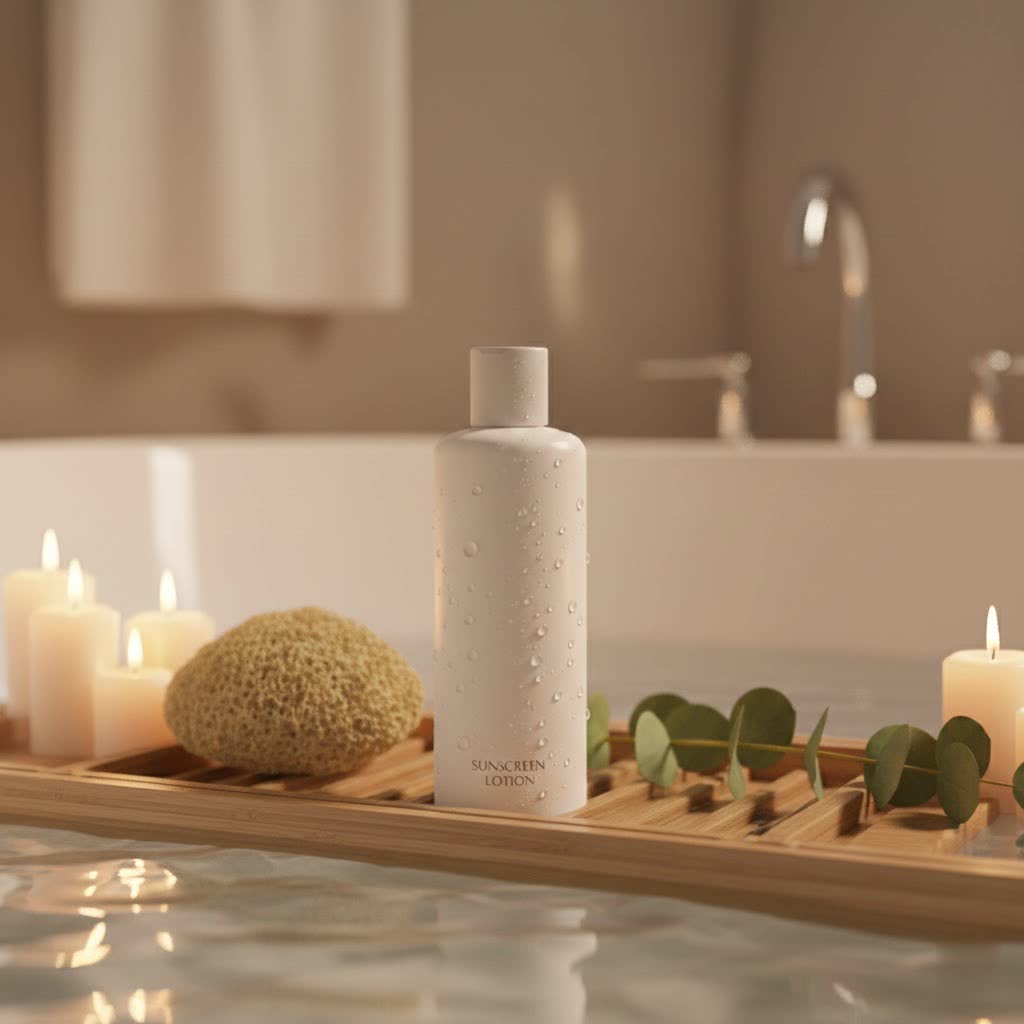
Why Sunscreen Lotion is Crucial for Your Skin
The sun emits two primary types of harmful UV radiation: UVA and UVB rays. UVA rays penetrate deep into the skin, contributing to premature aging, wrinkles, fine lines, and dark spots. UVB rays are the primary culprits behind sunburn and play a significant role in the development of various skin cancers. Daily and consistent use of sunscreen lotion is non-negotiable for safeguarding your skin against these detrimental effects. It helps prevent immediate damage like sunburn and long-term consequences such as accelerated aging and the risk of serious skin diseases.
Understanding SPF and PA Ratings
Choosing the right sunscreen involves understanding its ratings.
- SPF (Sun Protection Factor): This number primarily indicates the level of protection against UVB rays. It quantifies how long it would take for UVB rays to redden your skin with sunscreen compared to without it. For instance, SPF 70 means it would theoretically take 70 times longer for your skin to burn than if left unprotected. SPF 70 blocks approximately 98.6% of UVB rays, offering a high degree of protection. While SPF 30 blocks about 97% and SPF 50 blocks 98%, the percentage difference between SPF 50 and 70/100 is relatively small, but for individuals with very fair or sensitive skin, or those with prolonged, intense sun exposure, SPF 70 can provide an added layer of reassurance.
- PA (Protection Grade of UVA): This rating, often denoted by PA+, PA++, PA+++, or PA++++, measures a sunscreen’s ability to protect against UVA rays. The more plus signs, the higher the UVA protection. Always look for “broad-spectrum” on the label, which signifies protection against both UVA and UVB rays.
While higher SPF numbers offer marginally increased protection, it’s vital not to develop a “false sense of security” and neglect proper application and reapplication. No sunscreen provides 100% protection, and vigilance is key.
Types of Sunscreen Lotions
Sunscreen formulations primarily fall into two categories: physical (mineral), chemical, or a combination of both.
- Physical (Mineral) Sunscreens:
- Advantages: These sunscreens sit on the skin’s surface and create a physical barrier, reflecting UV rays away. They are often recommended for sensitive skin and children as they are less likely to cause irritation. They also provide immediate broad-spectrum protection upon application.
- Disadvantages: Mineral sunscreens can sometimes leave a white cast on the skin, especially on darker skin tones, and may be thicker and harder to rub in.
- Key Ingredients: Zinc oxide, titanium dioxide.
- Chemical Sunscreens:
- Advantages: These sunscreens absorb into the skin and convert UV rays into heat, which is then released from the skin. They are typically lighter, easier to spread, and leave no white residue.
- Disadvantages: Chemical sunscreens need about 15-20 minutes to become effective after application. Some individuals with sensitive skin might experience irritation or allergic reactions to certain chemical filters.
- Key Ingredients: Avobenzone, Homosalate, Octinoxate, Octisalate, Oxybenzone, Octocrylene.
- Hybrid Sunscreens:
- These formulations combine both physical and chemical filters, aiming to offer the best of both worlds – broad-spectrum protection with a more cosmetically elegant finish.
Comparison Table: Sunscreen Types
|
Our Picks for the Best Sunscreen Lotion in 2026
As an Amazon Associate I earn from qualifying purchases.
|
||
| Num | Product | Action |
|---|---|---|
| 1 | Sun Bum Original SPF 50 Sunscreen Body Lotion - Broad Spectrum Moisturizing Sunscreen with Vitamin E - Hawaii 104 Act Compliant (Made without Octinoxate & Oxybenzone) - 8 oz |

|
| 2 | Olay Super Serum - Niacinamide, Vitamin C & E, Collagen Peptide, AHA - 5-in-1 Skin Care Benefits for Face - Healthy Glow, Brightening, Hydrating, Smoothing, Firming, Evens Tone, Anti-Aging, 1.0 Oz |
|
| 3 | Aveeno Protect + Hydrate Sunscreen Moisturizing Lotion with Prebiotic Oat, Broad Spectrum SPF60, Paraben, & Oil Free, Weightless, Water & Sweat Resistant (80-min) for Sensitive Skin, 12 Fl Oz |
|
| 4 | Neutrogena Sunscreen Lotion Beach Defense SPF 70, Face & Body Sunscreen, Broad Spectrum, Fast Absorbing, 6.7 Fl Oz, Water Resistant 80 Min, Oil-Free, Oxybenzone & Octinoxate Free |
|
| 5 | Coppertone Sport Sunscreen Lotion, Broad Spectrum SPF 50 Sunscreen Multi Pack, 7 Fl Oz, Pack of 2 |
|
| 6 | Banana Boat Sport Ultra SPF 50 Sunscreen Lotion, 12oz - Banana Boat Sunscreen SPF 50 Lotion, Oxybenzone-Free, Sunblock, Family Size, 12oz (Pack of 1) |
|
| 7 | Hawaiian Tropic Sheer Touch Lotion Sunscreen SPF 50, 8oz Twin Pack - Hawaiian Tropic Sunscreen SPF 50, Sunblock, Broad Spectrum, Oxybenzone Free, 8oz each |
|
| 8 | Olay Super Cream with Sunscreen SPF 30, Fragrance Free Lightweight Face Moisturizer with Sun Protection, 5-in-1 Skin Care - Hydrating, Brightening, Firming - Niacinamide, Vitamin C, Collagen, 1.7 oz |
|
| 9 | Banana Boat Sport Ultra SPF 50 Sunscreen Lotion, 8Fl Oz - Sport Sunscreen SPF 50 Lotion, Sunblock, Skin Sun Protection, Water Resistant Sun Care, 8Fl Oz |
|
| 10 | Olay Super Cream with Sunscreen SPF 30, Lightweight Face Moisturizer with Sun Protection, 5-in-1 Skin Care Benefits - Hydrating, Brightening, Firming - Niacinamide, Vitamin C, Collagen Peptide, 1.7 oz |
|
| Characteristic | Physical (Mineral) Sunscreen | Chemical Sunscreen | Hybrid Sunscreen |
|---|---|---|---|
| Key Ingredients | Zinc oxide, titanium dioxide | Avobenzone, octinoxate, oxybenzone | Combination of both |
| Mechanism | Reflects UV rays | Absorbs and converts UV rays | Reflects and absorbs UV rays |
| Advantages | Safe for sensitive skin, immediate protection, broad-spectrum | Easy to spread, no white cast | Blends advantages of both |
| Disadvantages | Can leave white cast, may be thicker | Potential for skin irritation, needs absorption time | May still cause mild irritation for very sensitive skin |
| Best For | Sensitive skin, children, post-procedure skin | Daily use, makeup primer, active individuals | Most skin types seeking balanced benefits |
How to Choose the Right SPF 70 Sunscreen
Selecting the perfect SPF 70 sunscreen requires considering your individual skin type, lifestyle, and specific needs.
- Skin Type:
- Oily & Acne-Prone Skin: Opt for oil-free (non-comedogenic), gel-based, or fluid formulations that offer a matte finish. Ingredients like niacinamide can also be beneficial for oil control.
- Dry Skin: Look for cream-based sunscreens that include hydrating ingredients such as hyaluronic acid, ceramides, or glycerin to provide moisture along with protection.
- Sensitive Skin: Mineral sunscreens (zinc oxide, titanium dioxide) are generally preferred. Choose fragrance-free and alcohol-free formulas to minimize the risk of irritation.
- Fair Skin: Individuals with very fair skin that burns easily may benefit significantly from SPF 70 or higher for enhanced protection against sunburn.
- Activity Level and Exposure:
- Extended Outdoor Activities: If you spend prolonged periods outdoors, hiking, or participating in water sports, a water-resistant (80 minutes) SPF 70 sunscreen is highly recommended to maintain efficacy through sweat and water.
- High Altitude: At higher altitudes, UV radiation is more intense, making a higher SPF like 70 particularly beneficial.
- Broad Spectrum: Always ensure your chosen SPF 70 sunscreen explicitly states “broad-spectrum” on the label to protect against both UVA and UVB rays.
Where to Buy Sunscreen Lotion SPF 70
You can find high-quality SPF 70 sunscreen lotions at various reputable retailers:
- Pharmacies and Drugstores: Major chains typically carry a wide selection of dermatologist-recommended brands.
- Specialty Beauty Stores: Stores focused on skincare often offer a curated selection of advanced formulations.
- Online Retailers: Large e-commerce platforms provide convenience and a vast array of options, but ensure you purchase from authorized sellers to guarantee product authenticity.
- Dermatologist Offices: Some dermatologists offer professional-grade sunscreens that might not be available elsewhere.
Top Sunscreen Lotion SPF 70 Products
While personal preference plays a role, several SPF 70 sunscreens are widely recognized for their efficacy and formulation. Brands like Neutrogena (e.g., Beach Defense, Ultra Sheer Dry-Touch) and Sun Bum offer popular SPF 70 options. These often feature broad-spectrum protection, water resistance, and formulations designed for different skin types or activities, such as oil-free and non-comedogenic for daily use or robust “sport” formulas for intense activity.
Correct Application of Sunscreen Lotion SPF 70
Even the highest SPF sunscreen is ineffective if not applied correctly. Follow these guidelines for maximum protection:
- Timing: Apply sunscreen liberally 15-20 minutes before sun exposure to allow it to form a protective barrier or absorb into the skin (for chemical formulations).
- Amount: Don’t skimp! For the face and neck, use approximately the amount that fits on two fingers. For the entire body, apply a shot glass full (about one ounce) to all exposed areas.
- Coverage: Pay attention to often-forgotten areas like the ears, neck, décolletage, tops of your feet, and the back of your hands.
- Reapplication: Reapply sunscreen at least every two hours. If swimming, sweating heavily, or towel drying, reapply immediately after these activities, regardless of the two-hour mark.
Common Sunscreen Mistakes to Avoid
Many people unknowingly undermine their sun protection efforts. Avoid these common errors:
- Applying too little: Most people use only half the amount of sunscreen needed to achieve the SPF listed on the label.
- Not reapplying often enough: Sunscreen wears off due to sweat, water, and friction, and its effectiveness diminishes over time.
- Only using when sunny: UV rays can penetrate clouds, so sunscreen is essential even on overcast days.
- Forgetting in winter: UV radiation is present year-round, making daily sunscreen use important even in colder months.
- Ignoring broad-spectrum: Focusing solely on SPF misses out on crucial UVA protection.
- Neglecting certain body parts: Your ears, neck, hands, and feet are just as susceptible to sun damage as your face.
“Sunscreen is not merely a cosmetic product; it is a fundamental pillar of dermatological health and the most impactful anti-aging treatment you can consistently provide for your skin.” – Dr. Lan Anh, Dermatologist
Conclusion
Embracing Sunscreen Lotion Spf 70 as a daily essential is a powerful commitment to your skin’s health and longevity. While SPF 70 offers superior UVB blocking and robust broad-spectrum protection, its true efficacy lies in consistent and correct application. By understanding the nuances of different sunscreen types, choosing a product suited to your skin and lifestyle, and diligently adhering to application guidelines, you empower your skin to withstand the sun’s challenges. Make sun protection a non-negotiable part of your routine, and your skin will thank you with enduring vitality and radiance.
What is your biggest challenge in maintaining a consistent sunscreen routine?
Frequently Asked Questions
Is SPF 70 too high for daily use?
While SPF 70 offers a very high level of protection, blocking approximately 98.6% of UVB rays, it’s generally not “too high” for daily use. For most routine activities, SPF 30 or 50 is sufficient. However, for individuals with fair or sensitive skin, those with a history of skin concerns, or those with extended outdoor exposure, SPF 70 can provide an advantageous additional margin of safety and peace of mind.
What is the difference between SPF 50 and SPF 70?
The difference between SPF 50 and SPF 70 in terms of UVB ray blocking percentage is minimal. SPF 50 blocks about 98% of UVB rays, while SPF 70 blocks approximately 98.6%. The main benefit of SPF 70 lies in offering a slightly higher level of protection, which can be crucial for very sun-sensitive individuals or during intense sun exposure, helping to compensate for less-than-perfect application.
Can SPF 70 prevent tanning completely?
No sunscreen, including SPF 70, can completely prevent tanning. While SPF 70 blocks a significant percentage of UVB rays (the primary cause of sunburn and tanning) and broad-spectrum formulas also protect against UVA rays (which contribute to tanning and aging), some UV exposure will always occur. Consistent reapplication and other sun protection measures are essential to minimize tanning and sun damage.
How long does SPF 70 last once applied?
Regardless of the SPF number, sunscreen generally does not last all day. SPF 70 sunscreen, like all others, should be reapplied at least every two hours. Its effectiveness diminishes sooner if you are swimming, sweating, or towel drying, in which case immediate reapplication is necessary to maintain adequate protection.
